What is a vine vigor score, and what does it tell you?
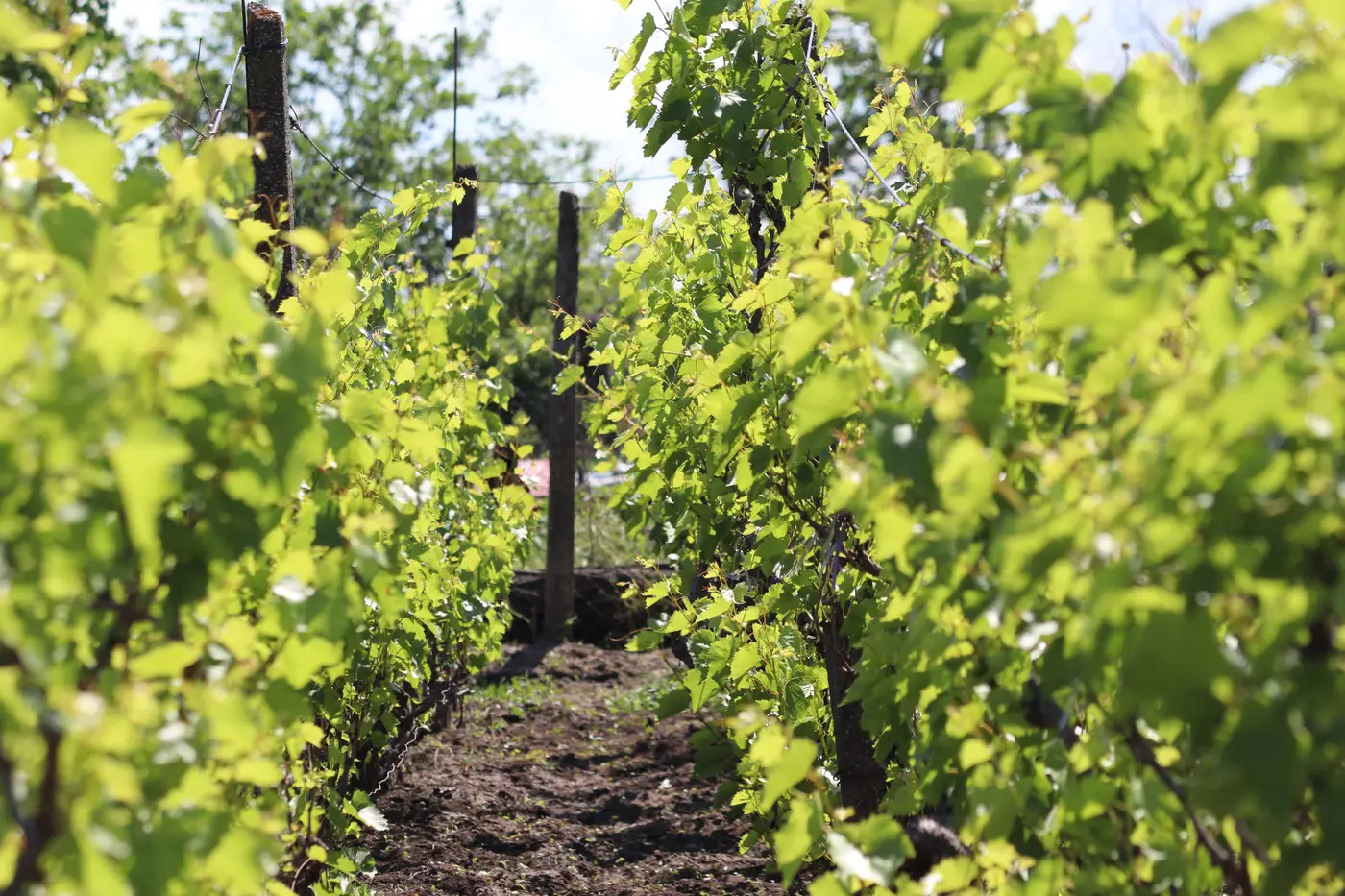
If you've looked at a canopy vigor map and wondered what the color on a given vine is actually measuring, you're not alone. Most growers hear "vigor score" before anyone explains what's behind it, and the term gets used loosely enough that it's worth pinning down.
A vine vigor score is a number assigned to an individual vine, or to a small zone within a block, that ranks how much canopy that vine is carrying relative to its neighbors. It's built from canopy size and density picked up in aerial or drone imagery, usually expressed through a vegetation index like NDVI, then normalized into a scale so a crew can read it at a glance: low score, weak canopy; high score, heavy canopy; somewhere in the middle, the vines doing roughly what you'd expect for that variety and training system.
A vigor score is a proxy for how much leaf area and shoot growth a vine put on this season. That correlates with a lot of things a vineyard manager cares about: water status, nutrient uptake, disease pressure, crop load balance, even whether a vine is fighting a graft union problem or root damage underground. Use it to flag canopy growth. Yield and quality are separate numbers that need their own data.
How the score gets built
The imagery comes first. A drone or fixed-wing flight over the block captures sub-10cm resolution photos, close enough that individual vines show up as distinct canopy shapes rather than a green blur. From there, canopy area and density get measured vine by vine, and that measurement gets translated into a vigor index, most commonly some flavor of NDVI, though some providers use canopy volume or leaf area index instead.
The raw index number doesn't mean much on its own. What matters is how each vine compares to the rest of the block, or to a sub-zone within it. A vine scoring in the bottom 10% of its row is a weak vine regardless of what the raw NDVI value says, because vigor is relative to site, variety, rootstock, and row spacing. That's why a usable vigor score always comes with context: the block average, the row average, or a management-zone breakdown, not just a bare number.
What the number means at the vine
A low vigor score usually means one of a few things: the vine is struggling with water or nutrient access, it's got a root or trunk problem, or it's simply missing, a dead stake or a gap that's been getting counted as "present" on a clipboard tally for three years because nobody walked that exact row. These are your replant candidates. Not every low-vigor vine needs pulling. Every one of them is worth a look before bud break next season.
A high vigor score flags the opposite problem: canopy that's outrunning the crop load, shading fruit, holding humidity in the canopy longer than you'd like, and generally setting up a thinning or canopy management pass. In a lot of blocks, the high-vigor zones are also where you'd want a second look at irrigation scheduling, because excess vigor is often excess water in disguise.
Why this beats a walk-through estimate
A crew walking a block samples maybe one row in ten and extrapolates across the rest, which is fine for a rough block average but says nothing about which specific vine in which specific panel needs attention. A vigor score built from full-block imagery scores every vine, not a sample, so the gaps and the oversized canopy show up at their actual location instead of as an estimated percentage.
That's the real value of the score: it turns a subjective walk-through impression into a located, ranked list your crew can work from, vine by vine.
If you want that list built for your own blocks instead of estimated from a sample walk, a block-by-block vine count with vigor scoring is what Vineyard Mapping puts together from a single season's flight.