What counts as a gap in a vineyard row
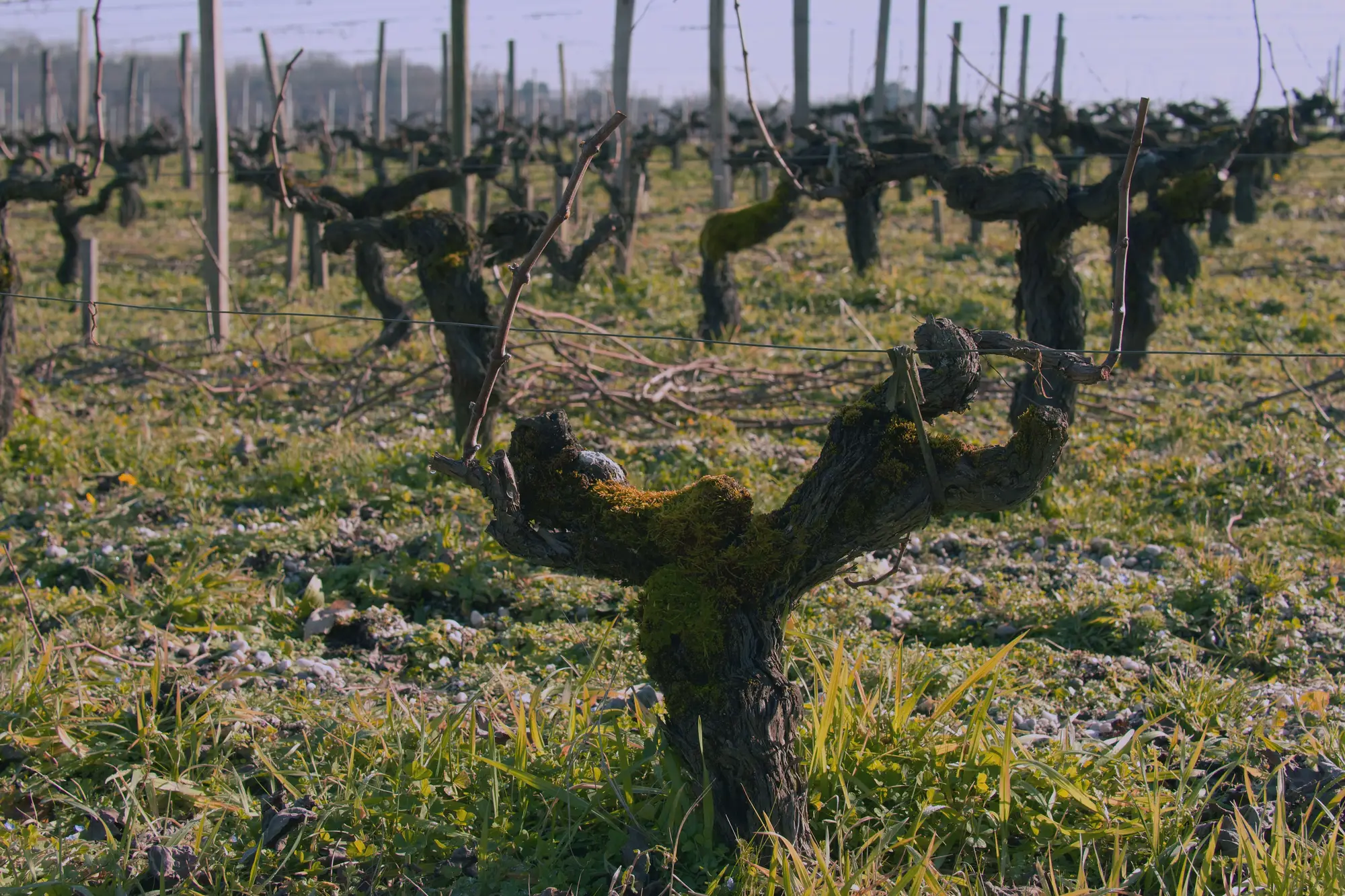
Walk any block long enough and you'll find three different problems that all get called "a gap" by whoever's filling out the replant list. That's a mistake, because a true gap, a dead vine and a weak vine call for three different responses, and lumping them together is how replant budgets get padded or crews get sent to the wrong vines.
What counts as a gap
A gap is an empty space in the row where a vine should be and isn't. No trunk, no stake with a dead stick on it, nothing. Could be a vine that never established after planting, one that was pulled and never replaced, or a spot where the original stake rotted off and the planting crew just skipped it that year. If there's no vine there now and there's no plan to put one there, that's a gap.
The part growers argue about is spacing. If your row spacing is 6 feet and you've got a 9-foot run with nothing in it, is that one gap or one-and-a-half? Most vineyard managers I've talked to call it by vine count, not by feet. A 9-foot hole at 6-foot spacing is one missing vine position, full stop, because that's how the irrigation and trellis wire were laid out. Don't get cute converting it to fractional vines on a spreadsheet. Count positions, not distance.
The other edge case is a stake with nothing growing on it. If a vine was planted, died in year one, and the stake's still there marking the spot, is that a gap or a dead vine? For replant planning purposes it doesn't matter what you call it. The position is open and needs a vine. File it under gap and move on.
Dead vine vs weak vine: the distinction that matters
This is the one that costs people money when they get it wrong. A dead vine is gone. No bud break, no green tissue under the bark if you scratch it, cordons brittle and gray. It's not coming back this season or any season. That vine gets pulled and the position goes on the replant list, same as a true gap.
A weak vine is alive and struggling. It pushed bud break but canopy fill is thin, or it set a partial crop and shut down early, or it's been fighting crown gall or nematode pressure for two seasons running without dying outright. The vine is there, it's producing something, and the question isn't "replant or not," it's "worth the input cost to nurse along, or worth pulling now before it drags down the block average for another three years."
That second question is where a straight walk-through tally falls short. A crew walking the row with a clipboard can tell you dead from alive in about two seconds per vine. What they can't do reliably, especially by vine number forty of two hundred, is score canopy vigor consistently enough to compare block to block or year to year. One person's "a little thin" is another person's "needs pulling," and that inconsistency is exactly what makes a hand tally unreliable for anything beyond counting the obvious dead wood.
Why the distinction drives different crew instructions
Gaps and dead vines both go on the same list: open positions that need a replant vine next dormant season. Weak vines go on a different list entirely, one that says "watch this one" or "pull and replant now instead of waiting," and that call usually comes down to how much canopy size and vigor has dropped relative to the rest of the block, not just whether the vine is green.
Getting that second list right is the part a walk-through tends to get wrong, because it's sampling a few rows and assuming the rest of the block looks the same. If you want every weak vine flagged with a canopy and vigor score instead of a crew member's gut call, that's the whole point of Vineyard Mapping: a full-block pass that separates the true gaps from the weak vines before the crew ever walks a row.
Run your replant list past Vineyard Mapping this season and see which vines on it were never gaps to begin with.