Orchard thinning vs. vineyard replant: why the block-level call isn't the same decision
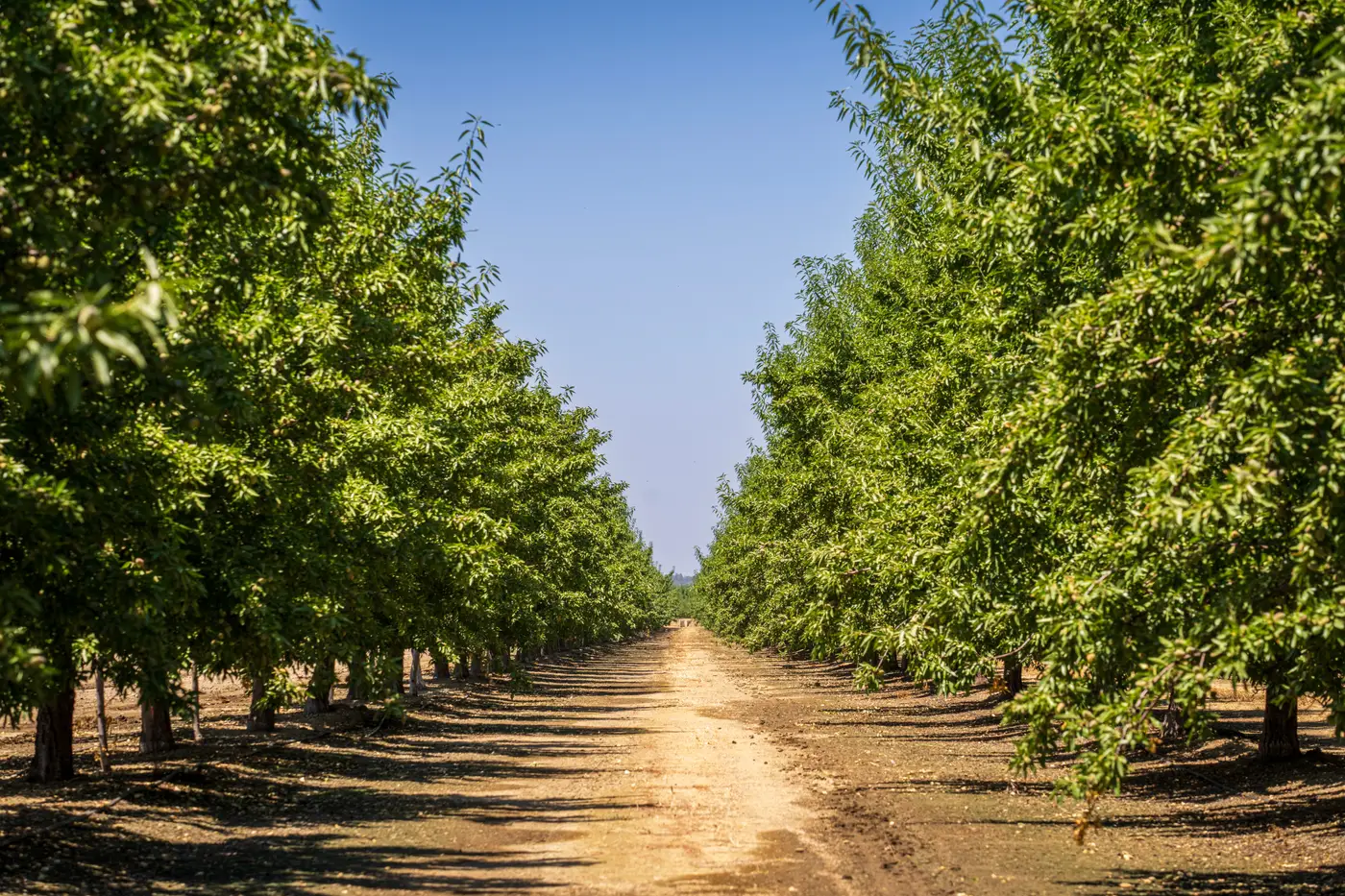
Ask an orchard manager and a vineyard manager what "the block is in trouble" means and you'll get two different answers. One means too much canopy chasing not enough crop. The other means too many dead or dying plants in the row. Both calls get made from the same kind of walk, but they're not the same decision, and treating them like they are is how blocks get mis-managed for a season or two before anyone catches it.
The thinning call is about load, not survival
In an orchard, thinning is a crop-load problem. The trees are alive and productive, the question is whether the canopy they're carrying is going to produce fruit size and quality worth picking, or whether it's going to shade itself out and tie up carbohydrate in wood instead of fruit. That's a canopy size threshold question: once canopy volume or density crosses a point relative to crop load, you thin, whether that's hand-thinning fruit, mechanical hedging, or pulling whole limbs on the next dormant pass.
The data that drives this decision is canopy-shaped. You want to know which rows have oversized canopy relative to their neighbors, not which trees are missing. A tree with a huge canopy is a pruning job, handled where it stands, same tree, different cut. The unit of concern is size and density, measured tree by tree or at least row by row, compared against what the rest of the block is doing.
The replant call is about which vines are gone or going
A vineyard's version of this problem looks almost opposite. Vine mortality shows up as actual gaps in the row: dead vines from crown gall, trunk disease, gopher damage, graft union failure, whatever took them out. Alongside the dead vines sit the weak ones, vines that are technically alive but running a fraction of the vigor of the row around them, usually a sign they're on the way to becoming the next gap. The replant call means deciding which of those spots are worth pulling and replanting now versus carrying for another year or two.
This means the vineyard version of the walk is counting a different thing. You're looking for absence and weak vigor instead of oversized canopy, and you need a real count of gaps per block to know if next year's nursery order is 40 vines or 400. A sample of three rows doesn't give you that number. A block that looks fine from the headland can be hiding a cluster of dead vines two rows in, especially along a low spot or an old irrigation leak that nobody's walked past since bloom.
Where the two calls overlap
The overlap is smaller than people assume, but it's real: both decisions depend on having an honest, block-wide picture instead of a sample. A pruning crew walking three rows out of thirty and calling the canopy "heavy throughout" is doing the same thing as a vineyard foreman walking the end-posts and calling a block "90% stand" without ever counting the gaps in the middle rows. Both numbers get written down, both get acted on, and both are wrong in roughly the same way: they're extrapolated from a fraction of the block and presented as if they're the whole thing.
That's the gap a full-block pass closes: scoring canopy size against a thinning threshold, or counting dead and weak vines against a replant budget. A block-by-block vine and canopy count built from one seasonal flight gives you the real number in place of the sampled guess, so the thinning crew knows which rows to hit and the replant order gets sized to what's really missing.
Walk your next block planning season with real counts instead of a sampled guess, and see what's actually sitting in the rows you didn't walk.