How to calculate percent vine loss from a block count
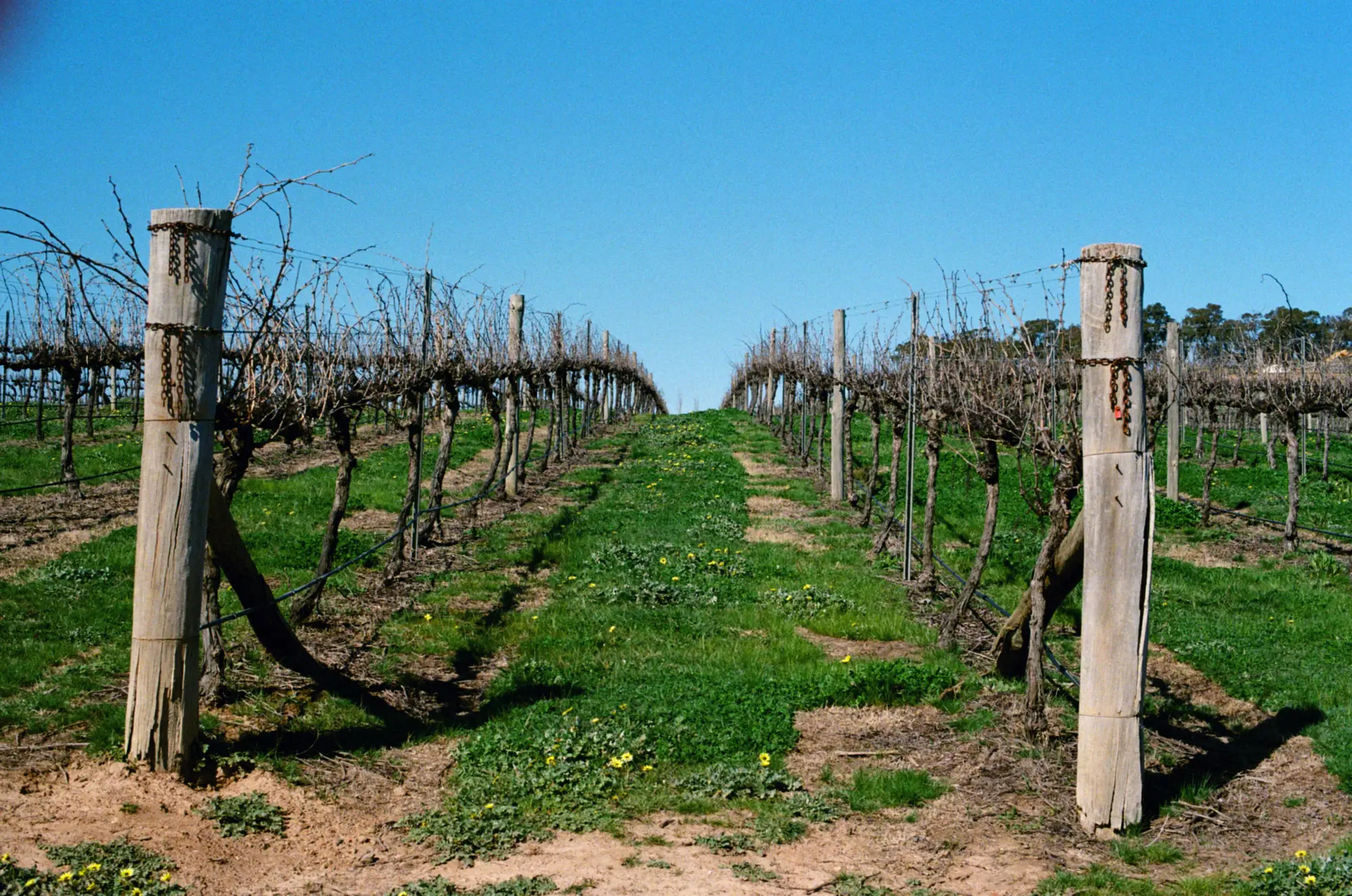
If you're staring at a tally sheet trying to figure out whether a block lost 4% of its vines or 14%, the math itself is the easy part. The hard part is getting a count you can trust.
The formula
Percent vine loss is just:
(Planned vine count − Live vine count) ÷ Planned vine count × 100
Say a block was planted to 1,200 vines based on row length and spacing. A walk-through (or a full count) turns up 1,080 live vines. That's 120 missing, or 10% loss. Anything under roughly 5% usually gets filed as normal attrition. Past 8-10%, most replant budgets start to flex, and past 15-20% a manager is usually looking at whether the block is worth replanting in sections versus whole.
The number by itself doesn't tell you much. A block with 10% loss spread evenly across every row behaves completely differently than a block with 10% loss concentrated in two low-lying rows with poor drainage. One is a minor replant job folded into next year's budget. The other is a drainage problem wearing a vine-count costume, and replanting into it without fixing the water will just kill the new vines too.
Where the planned count comes from, and why it's often wrong
This is the part that trips people up. "Planned vine count" sounds like a fixed number, but on an older block it's frequently a guess dressed up as a fact. Rows get re-measured over the years, end posts move, a corner gets regrafted to a different spacing for a trial that never got documented in the records. If your planned count is off by 3-4% because of a paperwork gap from a decade ago, your loss percentage is off by the same amount, and you'll either over-order replant stock or under-order it.
The fix is to re-derive the planned count from current row length and spacing rather than trusting whatever number is in the file, at least for blocks where the file predates the current vineyard manager.
Why the clipboard count usually understates the problem
A standard crew walk-through samples some rows, not all of them, and the person counting is also scouting for disease, checking irrigation, and trying to finish before lunch. Gaps get caught. Weak vines with thin canes and small canopy don't, because a vine can be technically alive and still be three seasons away from ever carrying a full crop. Those vines don't show up as "missing" in a hand count, but they function as missing when you're forecasting tonnage, and they're exactly the vines that should be on a replant list even though nobody wrote them down.
This is the gap between "percent vine loss" and the real number a replant plan needs, which is closer to "percent of vine positions not pulling their weight." A block can show 6% loss on paper and still be carrying another 8-10% of vines that are alive but stunted, girdled, or shaded out by a neighbor that never got thinned. If replant orders are sized off the clipboard number alone, the crew comes back the following spring to the same thin spots, just one more season older.
A full-block count built from overhead imagery catches both halves of the problem at once: the actual gaps and the weak vines sitting between them, scored by canopy size instead of a pass/fail glance. That's the difference between a mortality number and a block map a crew can work from.
Turning the percentage into a replant plan
Once you have a defensible loss percentage, the next decisions are row-level: which sections get interplanted this winter, which get held for a full pull-and-replant because loss is too concentrated to patch, and how much stock to order with enough buffer for the weak vines that'll fail before next harvest. None of that comes out of a single block-wide percentage. It comes out of knowing where the gaps and weak vines actually sit, row by row.
If you're ready to replace the sampled walk-through with a count of every vine in the block, see how Vineyard Mapping builds that replant map from a single seasonal flight.
Run the block count before you order stock, not after.