Field notes: the block we almost replanted, and didn't
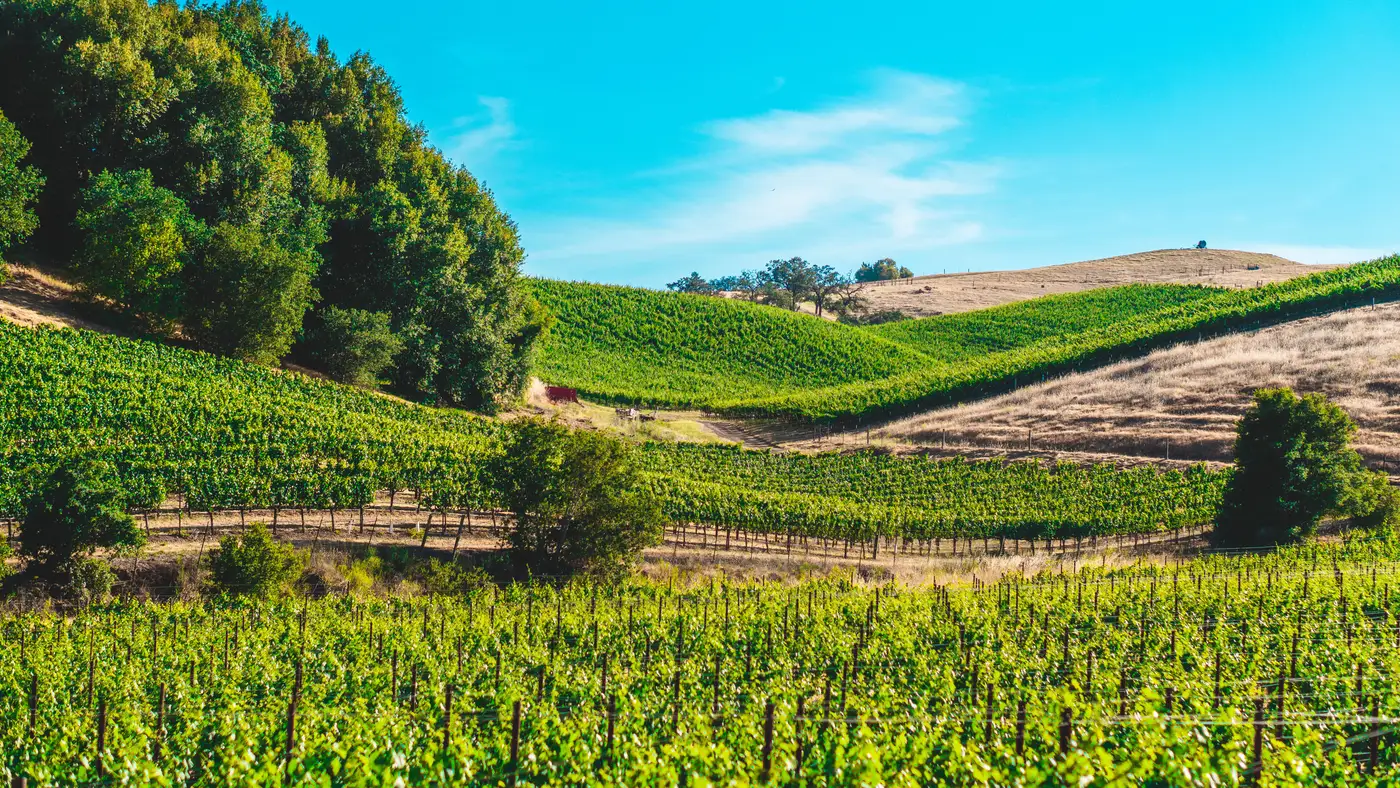
Most replant seasons turn up one block like this. The crew already has a strong opinion about it, right up until someone makes them look again.
Ours was fourteen acres of Cabernet on a west-facing slope, planted in a year nobody could quite agree on anymore, somewhere between "old enough to be tired" and "old enough to be good." The crew foreman wanted it pulled. He'd walked it in August, walked it again at véraison, and came back both times saying the same thing: thin canopy on the upper third, patchy color, more gaps between vines than he remembered from five years back. His read wasn't wrong. It just wasn't the whole block.
That's the part worth sitting with. A foreman walking a row sees what's in front of him, and he extrapolates from there because that's what a person does with limited time and three hundred more acres to cover that week. He's sampling a rough third of a block and calling it the block, and that's how a perfectly fine lower section ends up slated for removal along with the part that earned it.
We didn't catch it by accident. The ranch had flown the property that spring for an unrelated irrigation audit, and the imagery sat around long enough that somebody finally ran it against the replant list before the crew showed up with equipment. The canopy data told a different story than the walk-through had. The upper third was exactly as rough as the foreman said, maybe rougher.
But the middle and lower sections, the ones he'd given a quicker pass on his second trip because they looked "about the same as last year," were carrying canopy size and vigor numbers close to the best-performing block on the ranch. Whatever was stressing the top of the slope wasn't present further down. Different story, different decision.
What we ended up doing was splitting the call. Pulled the upper third, about four and a half acres, and left the rest standing. That's a meaningfully different outcome than replanting fourteen acres on the strength of one bad August walk, and it's the kind of split you can only make with confidence if you've got eyes on the whole block instead of a representative slice of it.
The uncomfortable thing to admit is how close we came to not checking. A foreman's gut call, built on years of walking these exact rows, is good information. It's just not complete information, and the two get confused for each other more often than anyone likes to say out loud. The walk-through samples what it can reach in the time it has. A block-wide canopy and vigor pass doesn't sample anything. It counts every vine once.
None of this is an argument that the clipboard walk is useless. It caught something real, the upper third was genuinely struggling, and no aerial pass tells you why a vine looks weak, only that it does. But a replant decision made block by block, instead of row by row and then generalized, is a different kind of decision. It costs you a day of flying and a bit of patience waiting on the data instead of acting on the first walk. What it buys back is not having to explain to ownership why you pulled nine and a half good acres along with the four and a half that needed it.
We kept better notes on the rest of the ranch after that. If you're deciding which blocks make this year's replant list, it's worth running a full-block canopy and vigor pass before the crew gets the order, which is the kind of scoring Vineyard Mapping is set up to deliver.
The block's back in balance now. We'll fly it again before next season's list gets made, because trusting the whole block beats trusting one good look at a third of it.